Two players, one device
The screen splits in half with the top half turned round, so two children sit across a tablet and race. No internet, no sign-in, nothing to set up — dependable in a classroom with bad wifi.
How a round works
Each child answers their own stream as fast as they can get them right — so the child beside them can't copy.
A run of right answers pulls harder than one lucky one — up to two and a half times as hard. Steady beats speedy.
The keypad locks for a moment and shows the right answer. Tapping everything never pays; reading the question does.
Pull the marker past your goal line, or be ahead when the whistle goes, and your team wins.
7 + 5
Two ways to play
40+ games
The youngest games use pictures only — no reading, no numbers. The oldest go up to 12 × 12. Questions are generated fresh every round, so children learn the maths, not the order.
Race · ages 5–11
Steer into the right answer. Counting, + and −, or × and ÷ at full speed.
Battle · ages 5–12
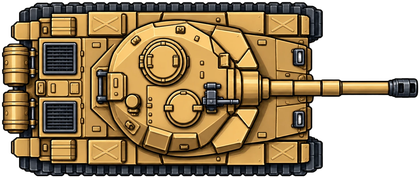
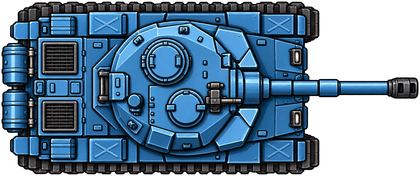
A live paint-ball tank battle. Gold tanks against blue.
Match the picture. No reading and no numbers.
Ages 3–5
Grab the fruit, leave the veg. Animals, sea creatures, happy faces, things that go and more.
8 games · picture sorting
Spot the odd one out.
Ages 4–6
What comes next? Which is biggest?
Ages 4–6
From counting to 5 all the way to two-digit sums.
5 levels · ages 4–11
×2, ×5, ×10 first, then every table up to 12 × 12 — and dividing.
5 levels
Bigger, smaller and what comes next.
Ages 5–9
A blink of birds — how many did you see?
2 levels
Colours and everyday knowledge. Not everything is a sum.
Ages 4–8
Letters in, numbers out — and every b, nothing that only looks like one.
2 games
Turn two over — do they match?
2 games
Drag each one to its shadow.
2 games
Spot it in the jungle or on a busy market stall.
2 games
Pick a colour and make yours look the same.
2 games
Three marks each and the oldest vanishes — or four in a row on the big board.
2 games
Safe by design
No feed, no streak to protect, no reason to open it at nine at night. Children under 13 sign in with a Family Link account their parent approves, then pick a name and an animal — that's the whole setup.
For teachers and parents
1–3 min
Rounds are one, two or three minutes long.
Offline
Dependable in a classroom, on a train, anywhere.
Fair
Pull is shared by team size, so 3-against-1 isn't over before it starts.
Pre-readers
The host picks the game, so the level matches the children.
Yes. There is no advertising and nothing to buy inside the game.
Roughly 3 to 11, depending on the game. The youngest games use pictures only; the oldest cover two-digit sums and times tables up to 12 × 12.
No. It plays in the browser on phones, tablets and computers, upright or sideways.
Sign in with Google, add a friend by the email address they signed in with, then invite them into a room with one tap. Email addresses are never shown to other players.
Yes. Split-screen mode turns the top half round so they can sit facing each other. It needs no internet connection.
Their team gives up a little ground and the keypad pauses for just over a second while the right answer is shown. A struggling child never feels they are losing the game for their team — they just aren't helping yet.